
Washington, D.C. — A federal judge has forcefully rejected the Trump administration's latest attempt to starve the U.S. Consumer Financial Protection Bureau (CFPB) of funding, ruling that its justification was a legally baseless pretext to achieve a shutdown that courts have already blocked. The ruling represents a significant setback for the administration's prolonged campaign to dismantle the financial watchdog.
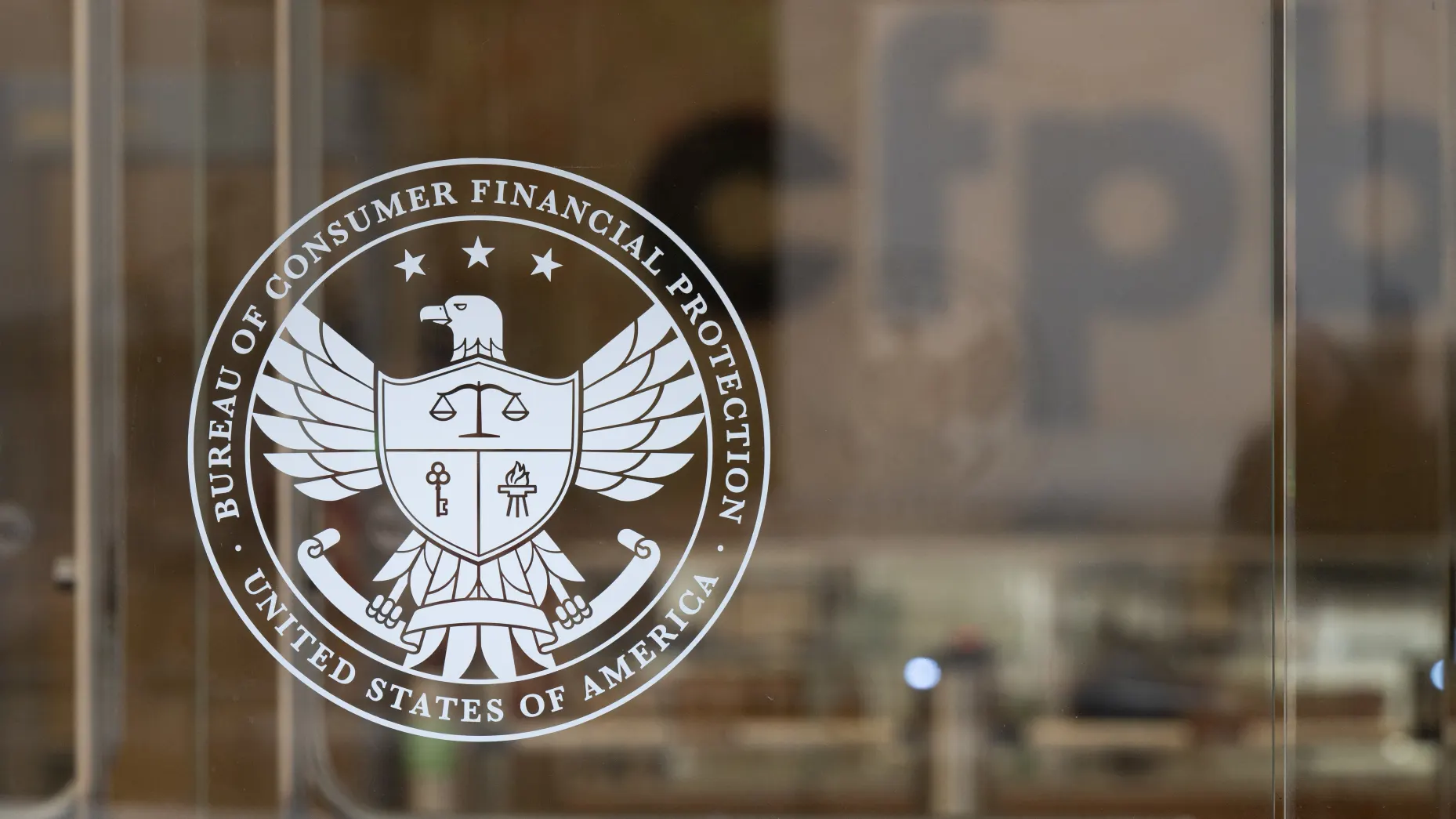
In a sharply worded 32-page decision, U.S. District Judge Amy Berman Jackson found that the administration's claim—that it could not legally fund the CFPB while the Federal Reserve is operating at a loss—was an "unsupported and transparent attempt" to circumvent her prior injunction prohibiting the agency's closure. "The defendants are unabashedly trying to shut the agency down again, through different means," Jackson wrote.
A Legal and Financial High-Stakes Race
The CFPB, created after the 2008 financial crisis to protect consumers from predatory lending and scams, faces an imminent cash crunch, with officials warning funds could be exhausted in early 2026. Unlike most federal agencies, it draws its funding directly from the Federal Reserve, insulating it from the annual congressional competitive ecosystem of budget appropriations. The administration's refusal to approve further funding transfers, based on its contested legal opinion, had pushed the agency toward a functional crisis.
Judge Jackson's ruling dismantled that argument, stating the administration's "unilateral decision" to withhold funds violated her court order. This legal strategic maneuver marks the latest chapter in a years-long high-stakes race between the executive branch and the independent agency, which critics like President Trump have labeled a burden on business, while supporters argue it is essential for public protection.
The Underlying Battle Over Agency Independence
The dispute underscores a deeper conflict over the structure and autonomy of federal regulatory bodies. The ruling reinforces the CFPB's unique funding mechanism as a core feature of its independence, even as political opponents seek to bring it under tighter control. Despite the legal victory, the agency still faces constrained resources after Congress recently slashed its maximum allowable funding—a separate strategic pivot that will limit its operational scale regardless of the court's decision on the administration's obligations.
The decision ensures the CFPB will continue operating in the near term, but the ongoing political and legal tensions guarantee that its long-term viability and scope of authority will remain a contentious battlefield in the wider war over the shape of the U.S. financial regulatory state.